
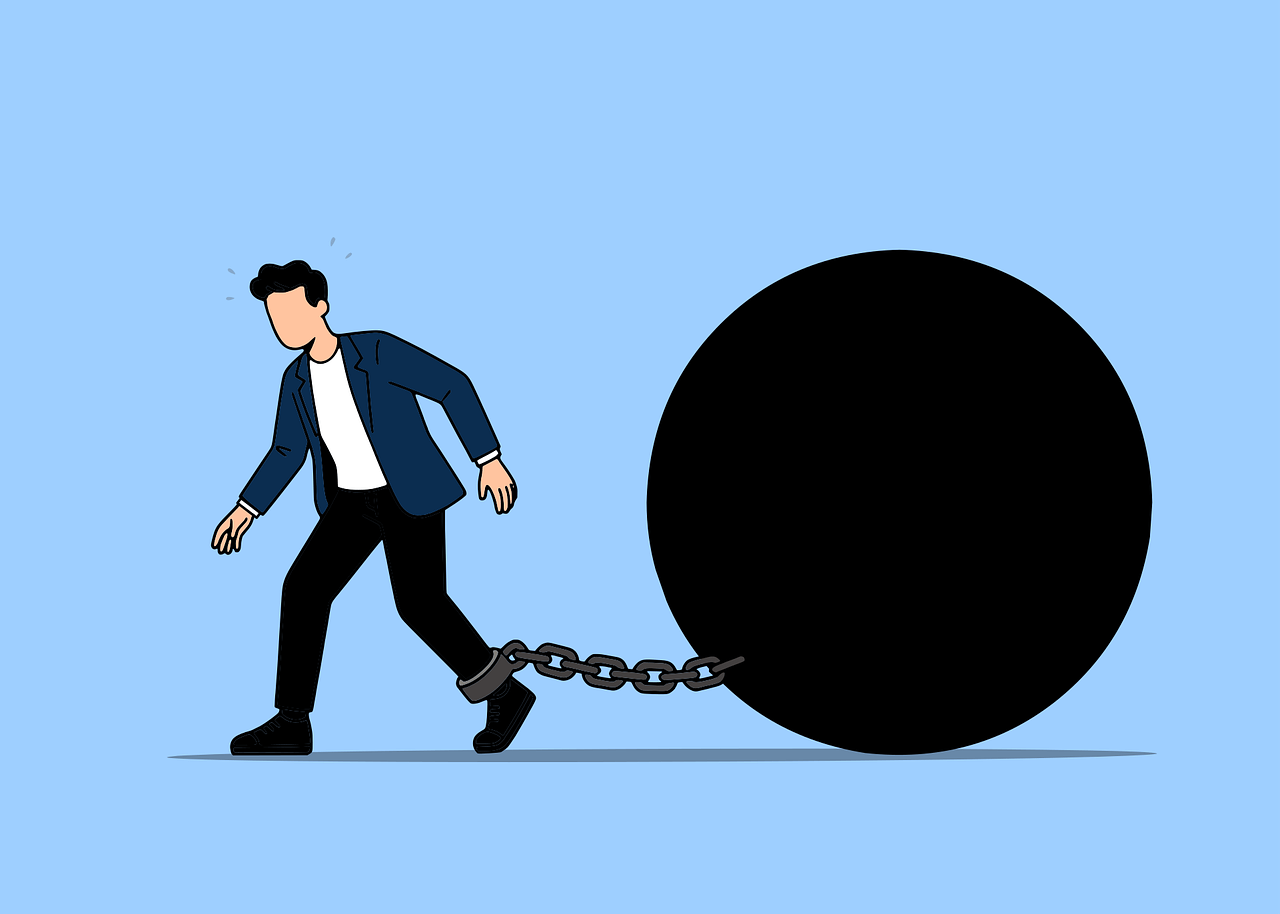
When debt enters your life,
pressure naturally follows.
You feel like you need to grow assets faster
and push for higher returns.
When I took on debt through real estate transactions,
I found myself thinking:
Should I work part-time on weekends?
Should I take more aggressive investment risks?
But in reality,
once debt exists, portfolios often need to become simpler, not more complex,
to remain stable over time.
This isn’t a conservative mindset —
it’s a structural decision based on understanding how debt works.
In this article,
we’ll look at why portfolios should be simplified when debt is present.
1️⃣ Debt Fixes Cash Flow Before It Grows Assets
People take on debt for different reasons —
investment, housing, or necessity.
But the defining feature of debt
is not asset size, but fixed cash outflows.
- Monthly principal and interest payments
- Non-negotiable fixed expenses
- A repayment schedule that limits flexibility
When a portfolio becomes complex under these conditions,
assets may grow —
but management difficulty and psychological burden grow much faster.
👉 Related reading: [The Critical Difference Between Wealth-Building Debt and Consuming Debt]
2️⃣ Complex Portfolios Slow Down Decision-Making
When there’s no debt,
you can afford to hesitate.
But when debt exists,
slow decisions themselves become a risk.
As portfolios become more complex:
- Assets increase
- Products diversify
- Variables multiply
The market moves —
while you’re still thinking.
A simple portfolio protects judgment speed,
not just returns.
👉 Related reading: [5 Best Times to Rebalance Your ETF Portfolio (Beginner-Friendly Guide)]
3️⃣ With Debt, Management Energy Becomes Critical

Building a portfolio isn’t about asset totals —
it’s about creating a structure you can manage.
When management energy is spread thin under debt:
- Asset monitoring becomes loose
- Risk signals are noticed late
- Action happens only after problems grow
That’s why, with debt,
reducing the number of moving parts matters more than adding new ones.
👉 Related reading: [How to Grow Assets While Carrying Debt — What You Must Reduce First]
4️⃣ Interest Rate and Exchange Rate Shocks Hit Complex Structures Harder
Debt is highly sensitive
to interest rates and exchange rates.
When assets are layered on top of this sensitivity:
- Rising rates immediately increase pressure
- Currency swings amplify perceived risk
A simple portfolio allows faster responses
to changing financial environments.
👉 Related reading: [[How Exchange Rates Change Asset Value — A Beginner-Friendly Guide to Understanding Currency Impact]
5️⃣ Simplicity Creates Staying Power
With debt,
the goal is not maximum return —
but a structure that survives worst-case scenarios.
A portfolio that:
- Can endure drawdowns
- Holds through market turbulence
- Preserves optionality
That’s what simplicity enables.
Before focusing on growing assets,
a structure that protects them must come first.
👉 Related reading: [When Doing Nothing Is the Best Investment Strategy]
📌 Final Thoughts — With Debt, Fewer Choices Are Better Choices
Debt doesn’t mean you must stop investing.
But the presence of debt means
your portfolio must become simpler.
- Easier to manage
- Faster to judge
- More resilient to environmental changes
Complexity doesn’t increase returns when debt exists.
It increases anxiety.
Choosing simplicity with debt
is one of the most realistic and durable investment strategies available.
2 thoughts on “Why Your Portfolio Should Be Simpler When You Have Debt”
Comments are closed.