
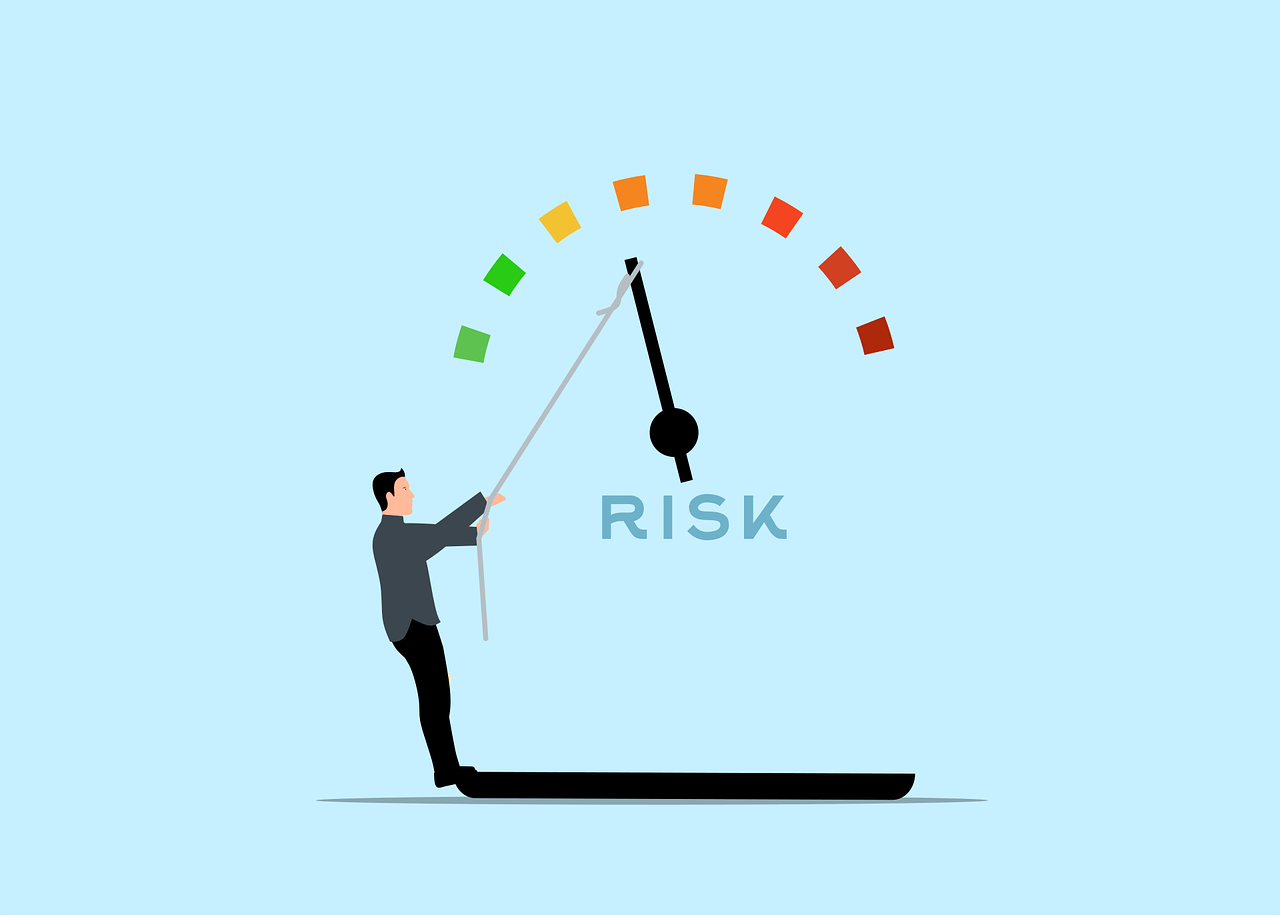
If you’ve re-entered the market
and increased your ETF allocation,
you’ve already passed an important stage.
You re-entered carefully.
You controlled your pace.
Your judgment became more stable.
But interestingly,
this is exactly when mistakes often happen.
Because once allocation increases,
your mindset quietly shifts:
“I think I understand the market now.”
“I should have invested more earlier.”
Today, let’s look at what you must avoid
after increasing your ETF allocation.
1️⃣ Mistaking ETFs for “certainty assets”
An ETF is a diversified asset.
It is not a guaranteed one.
Just because the market feels stronger
and you increased allocation,
does not mean risk has disappeared.
If you:
- Ignore declines
- Lose patience during corrections
- Justify everything by saying “It’s long term anyway”
Then the ETF stops being a buffer —
and starts becoming a risk amplifier.
👉 Related reading: [When Should You Increase Your ETF Allocation? — Signs It May Be Time to Buy More]
2️⃣ Suddenly Adding More ETFs
After increasing allocation,
confidence and optimism often grow.
One of the most common reactions is
adding more ETFs.
- Similar index ETFs
- Slightly different theme ETFs
- Overlapping exposure ETFs
What feels like diversification
may actually be complexity.
If allocation increases,
your structure should become simpler — not more complicated.
3️⃣ Reacting to Market Noise Again
After increasing allocation,
it’s natural to seek reassurance.
You may start consuming:
- Daily forecasts
- Short-term event interpretations
- Other people’s profit stories
If this begins again,
it’s a warning sign.
At that moment,
the ETF is no longer part of a strategy —
it becomes a tool for emotional reaction.
👉 Related reading: [Why You Should Start With ETFs When the Market Feels Uncertain — A Re-Entry Strategy That Helps You Stay Steady]
4️⃣ Believing Allocation Growth Means “Level Up”
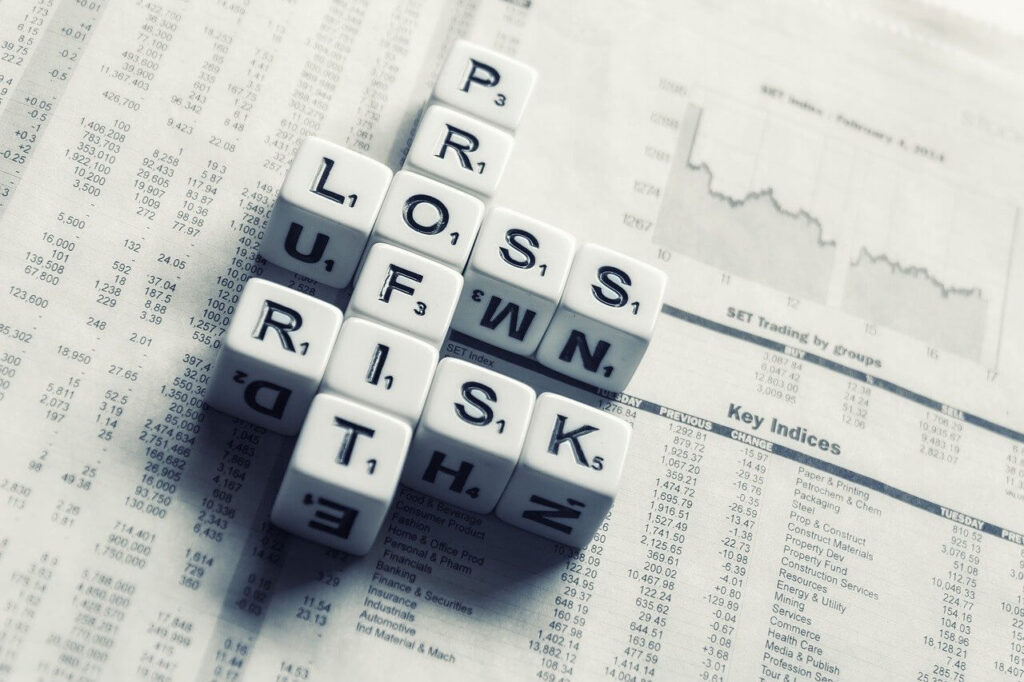
Increasing ETF allocation does not mean
you must move to the next stage.
You can:
- Maintain the allocation
- Pause further increases
- Even reduce if necessary
Allocation growth is progress —
not a level-up button.
Treating it as automatic advancement
often leads to unnecessary risk-taking.
👉 Related reading: [How Should You Split ETFs in an Uncertain Market? — An ETF Strategy Based on “Roles,” Not Products]
5️⃣ Neglecting Structural Review
After increasing allocation,
many investors assume
“it’s long-term, so I’ll just leave it.”
But no review at all is also dangerous.
You must check:
- ETF proportion within total assets
- Relationship with debt and real estate
- Cash reserves
An ETF is not a standalone asset.
It exists inside a broader structure.
And that structure must be reviewed regularly.
👉 Related reading: [Why Your Portfolio Should Be Simpler When You Have Debt]
📌 Final Thoughts — What Happens After Increasing Allocation Matters More
Increasing ETF allocation is not the end of a decision.
It is the beginning of management.
At this stage, what matters is not:
“How much more can I earn?”
But:
- Is my judgment still clear?
- Is my structure intact?
- Can I still reverse this decision if needed?
An ETF can be your anchor
if managed well.
But if neglected,
it can become the first asset to destabilize your structure.
If you increase allocation,
increase your attention as well.
1 thought on “After Increasing Your ETF Allocation — What You Must Never Do Next”
Comments are closed.