Why $100K Is a Turning Point — The First Real Threshold in Wealth Building

Seed money represented by a young plant in hand with expanding bar charts behind it, illustrating asset structure growth and financial turning point.

Read in Korean → 한국어로 읽기 Some people might say: “$100,000 isn’t that much money.” That may be true at first glance. But structurally, $100,000 is not just a number. It represents the first level of capital that creates real options. In this article, we’ll explorewhy $100,000 can become a turning point in your financial … Read more

How Leverage Works — Why It Can Double Both Gains and Losses

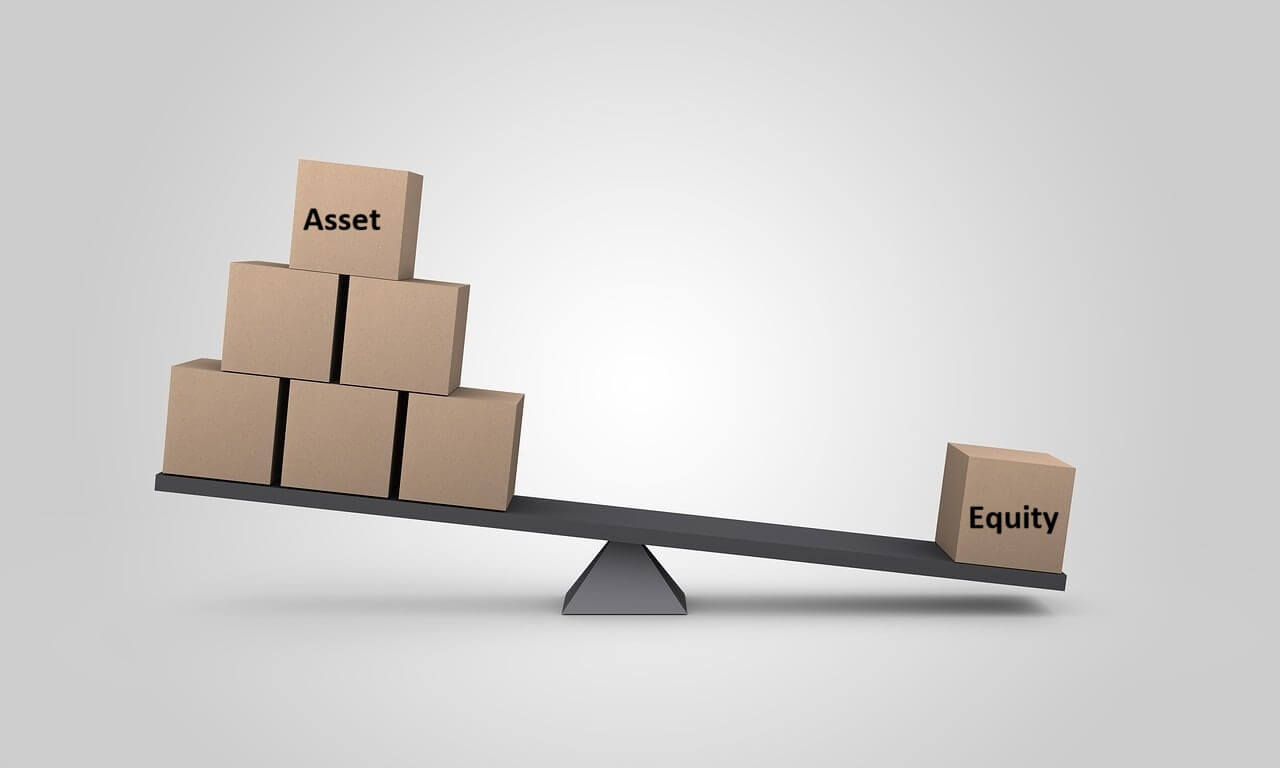
Illustration of leveraged investment structure showing large assets on one side and small equity on the other, representing amplified risk and return.

Read in Korean → 한국어로 읽기 Many investors have heard this idea:“Leverage helps increase returns.” That statement is true. But there is another important fact investors should understand at the same time. Leverage increases profits,but it also increases losses at the same speed. In this article, we’ll break down the structure of leverage using simple … Read more

Real Estate vs ETF Investing — Which Is Better With $100,000?

Concept image of leveraged real estate investment showing a house model in hand, representing comparison with ETF long-term investing

Read in Korean → 한국어로 읽기 “If you have $100,000, is it better to buy real estate or invest in ETFs?” Many people quickly answer: “Real estate allows leverage.” That’s true.The most distinctive feature of real estate investing is the ability to use borrowed capital (leverage). But leverage does two things at the same time: … Read more

If You Invest $100,000 in ETFs — What Could It Become in 10 Years?

Puzzle pieces forming a 100 dollar bill, symbolizing ETF portfolio allocation and 10-year investment return simulation comparison.

Read in Korean → 한국어로 읽기 “What happens if I invest $100,000 in ETFs for 10 years?” This is not just a question of curiosity.It’s a question that can actually change investment decisions. Many investors know that the long-term average return of the S&P 500 is around 7–10%.However, the final outcome can vary significantly depending … Read more

How to Rebalance a Portfolio During a Market Downturn — When, How Much, and What to Buy

Portfolio rebalancing strategy during a bear market downturn

Read in Korean → 한국어로 읽기 When markets start falling,investors often face difficult questions. During bull markets, rebalancing is relatively easy.But in downturns, emotions naturally enter the decision process. Even when following a long-term strategy,investors often feel pressure and uncertainty as prices continue falling. Because of this, rebalancing during a downturnrequires clear rules and structure. … Read more

Why Portfolio Rebalancing Matters — When, How Much, and What to Adjust

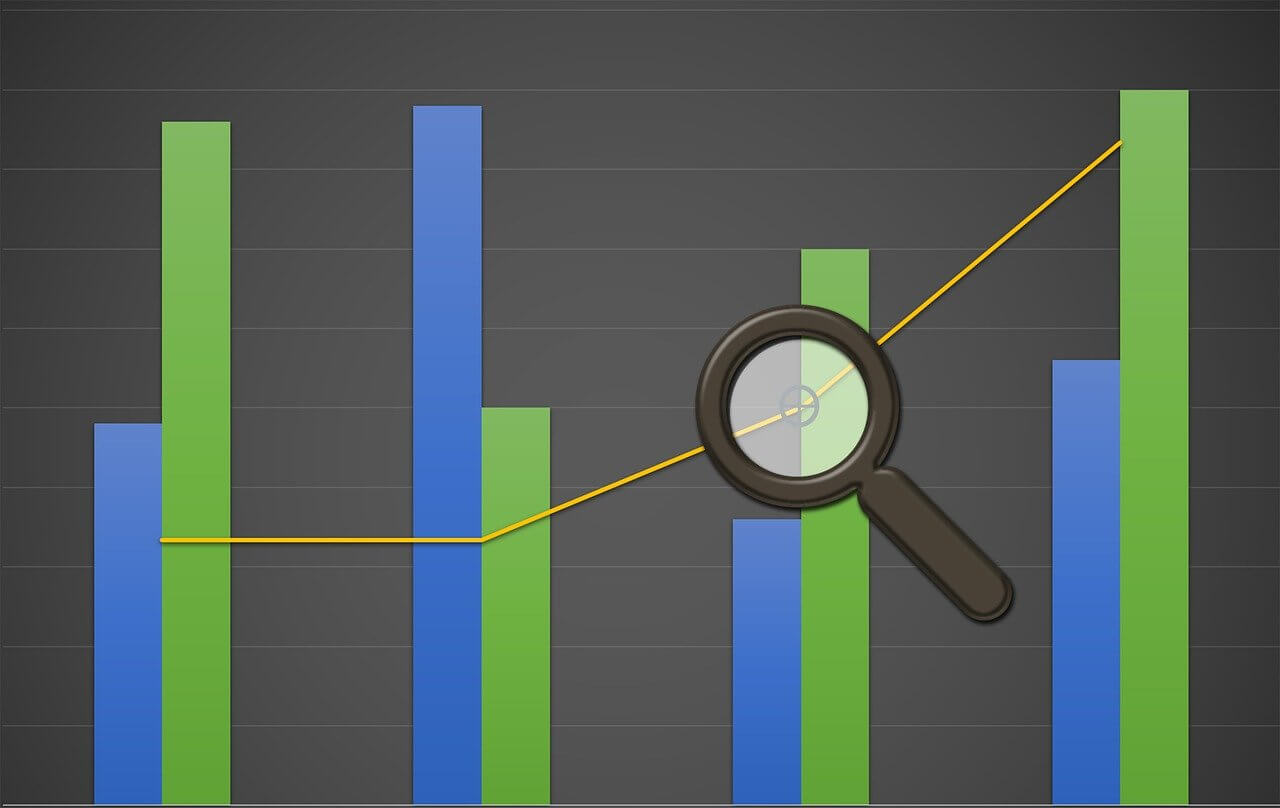
Portfolio rebalancing concept with bar chart, trend line, and magnifying glass analyzing asset performance

Read in Korean → 한국어로 읽기 Imagine a portfolio structured like this: Over time, however, market movements naturally change these ratios. If stocks rise sharply, ETFs may grow to 70% or more.If bonds decline, their share may fall to 25%. At that point, many investors wonder: “Should I just leave it as it is?” This … Read more

What Happens When Cash Allocation Increases? The Beginning of Portfolio Stability and Capital Flow Changes

Bundles of US dollar cash representing increased cash allocation and portfolio stability in an investment strategy

Read in Korean → 한국어로 읽기 Many people think of cash asmoney that hasn’t been invested yet —or as an asset that does nothing. But in reality, cash is not just idle capital. Within a portfolio, cash often acts as a structural reference pointthat determines both stability and investment speed. Especially when interest rates change … Read more

What Changes When Bond Yields Rise? The Starting Point of Asset Price Shifts and Portfolio Rebalancing

Financial chart showing rising bond yields and upward market trend

Read in Korean → 한국어로 읽기 Bond yields are not numbers only bond investors watch. They function as a benchmark for asset pricing across: Many people assume rising rates only mean higher loan interest. In reality, rising bond yields often signal a broader structural shiftin portfolio construction. Let’s examine what begins to change when bond … Read more

Government Bonds vs Corporate Bonds — Which Is Safer and What Role Does Each Play in a Portfolio?

Bond certificates showing government and corporate debt securities used for investment

Read in Korean → 한국어로 읽기 “Government bonds and corporate bonds — what’s the difference?”“They’re both bonds. Why separate them?” All bonds share a basic structure: You lend money.You receive interest.You are repaid at maturity. But the key difference lies in who is borrowing the money. That single distinction changes both the risk leveland the … Read more