
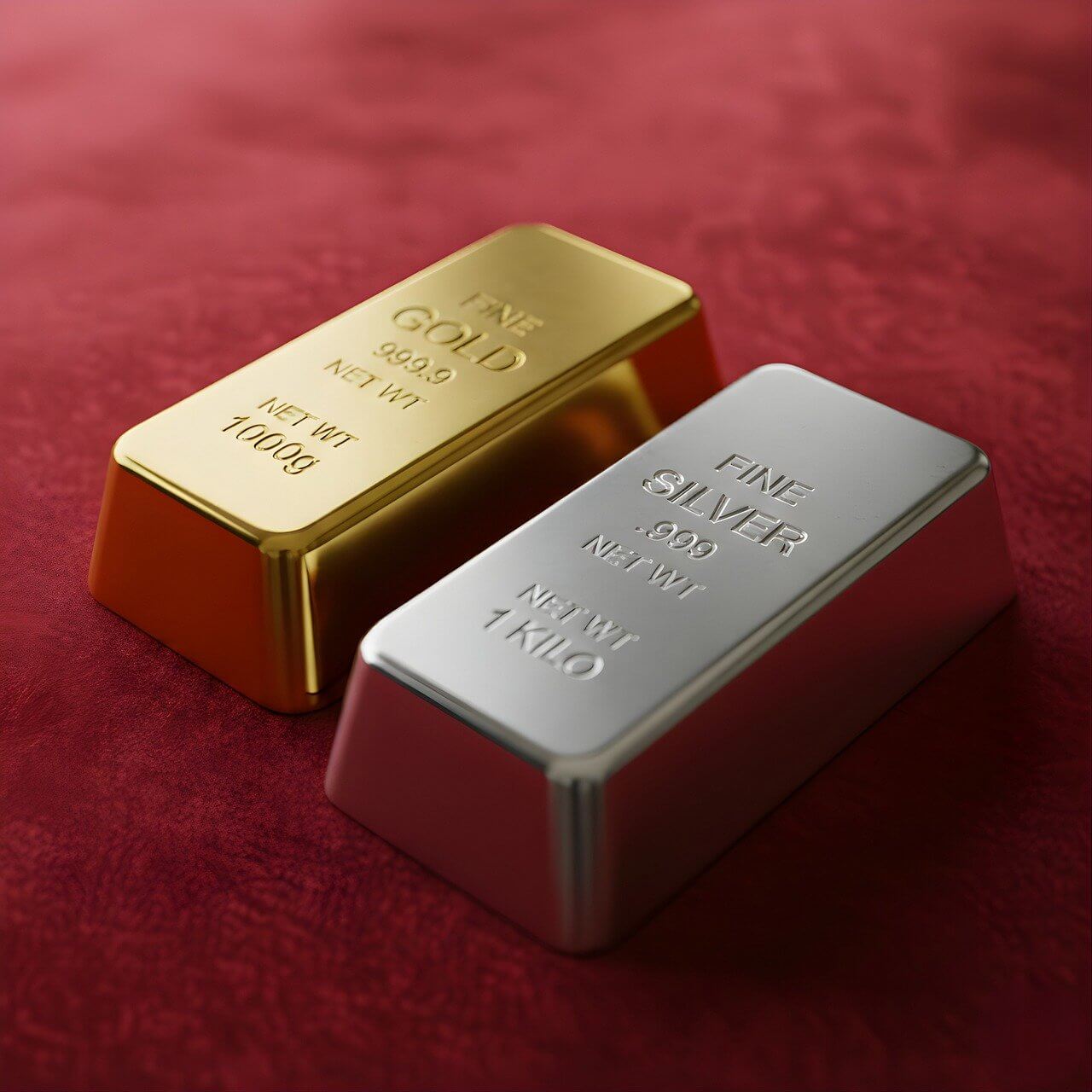
After reading about gold and safe assets,
a natural question arises:
“Is silver also a safe asset like gold?”
News outlets often mention gold and silver together.
They sometimes move in similar directions.
But structurally,
silver may look similar to gold —
yet it plays a very different role in a portfolio.
Today, we’ll clarify whether silver truly functions as a safe asset
and what position it should hold in an investment structure.
1️⃣ Silver Does Carry Safe-Asset Characteristics
Like gold,
silver has historically been used as a store of value.
When financial markets become unstable,
when currencies weaken,
or when trust in monetary systems declines,
capital often flows not only into gold
but also into silver.
During periods when gold prices surged sharply,
silver often followed with significant momentum.
This suggests that silver shares some characteristics
of a monetary hedge asset.
When uncertainty rises,
capital seeks somewhere to move —
and silver becomes one of those destinations.
👉 Related reading: [Why Does Capital Move to Gold in Uncertain Markets? — Looking at Role, Not Price]
2️⃣ But Silver Is More Sensitive to Economic Cycles
The most important structural difference:
Gold is primarily held for investment and value preservation.
Silver, however, has substantial industrial demand.
Silver is used in:
- Semiconductors
- Solar panels
- Electronics
- Batteries
This means silver prices are influenced not only by financial markets
but also by economic activity.
- When growth expectations rise → industrial demand increases
- When recession fears grow → industrial demand may decline
So structurally:
Gold = primarily a financial hedge asset
Silver = financial + industrial hybrid asset
👉 Related reading: [Gold vs Silver — Same “Safe Haven,” Completely Different Roles]
3️⃣ That’s Why Silver Is More Volatile Than Gold
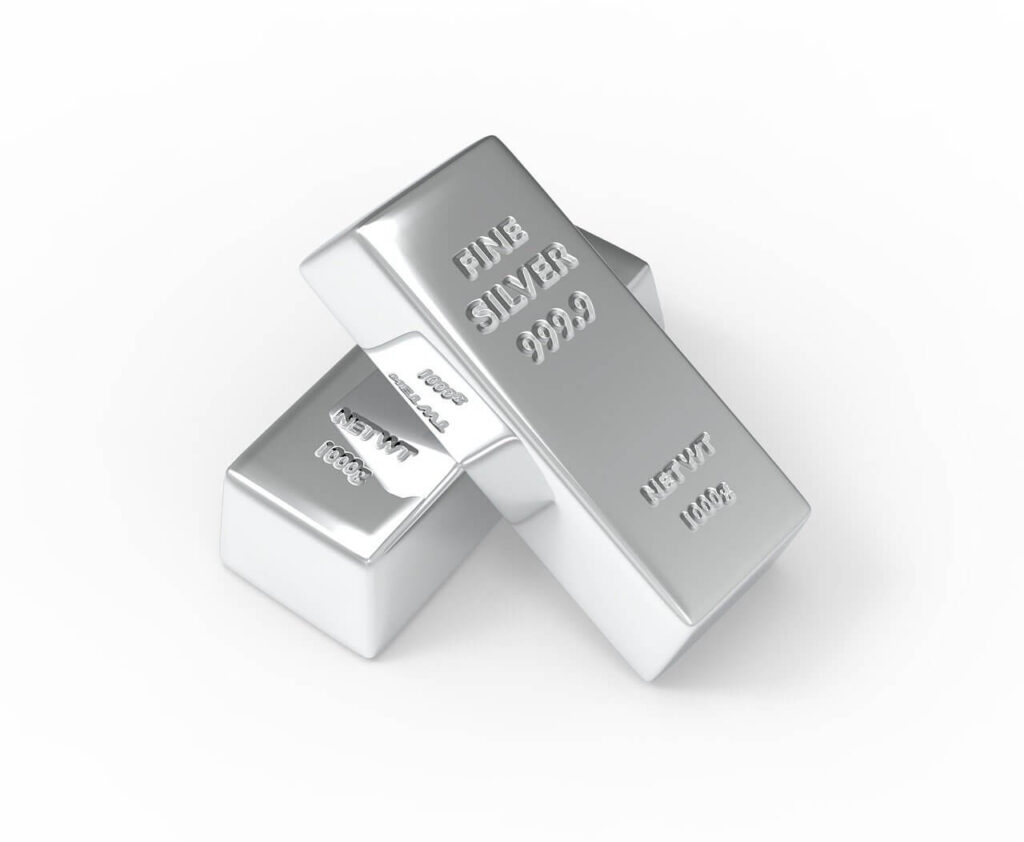
Because of its dual nature,
silver often exhibits greater price volatility.
In crisis environments:
- Silver can rise more sharply than gold
- But it can also fall more aggressively
Gold tends to behave as a stability anchor.
Silver behaves as a hybrid asset —
part defensive, part cyclical.
So in portfolio terms:
Gold → Stability-centered asset
Silver → Stability + growth-mixed asset
4️⃣ In a Portfolio, Silver Functions as a Complementary Safe Asset
Silver should not be viewed as a replacement for gold —
but as a complement.
If gold stabilizes portfolio direction,
silver can add measured movement on top of that stability.
However,
if silver allocation becomes too large,
portfolio volatility increases accordingly.
That is why silver typically works best
as a secondary allocation,
not a core defensive pillar.
👉 Related reading: [The Hidden Trap of Overweighting Safe Assets — When a Portfolio Stops Moving]
5️⃣ The Key Is Role Differentiation
Gold and silver may appear similar —
but their structural roles differ.
Gold protects the foundation of the portfolio.
Silver introduces controlled directional exposure.
Understanding this difference allows you to build
a portfolio based on function —
not simply on the label “safe asset.”
Safe assets are not meant to maximize returns.
They are meant to stabilize structure.
Silver operates on top of that structure —
adding flexibility and controlled movement.
📌 Final Thoughts — Even Safe Assets Must Be Understood by Role
Not all safe assets behave the same.
Gold is the most stable structural anchor.
Silver carries both stability and cyclical sensitivity.
To understand an asset is not to predict its price —
but to understand its function inside your portfolio.
Once you recognize the role,
your allocation decisions become structural —
not emotional.
That is when portfolios become truly stable.
1 thought on “Is Silver a Safe Asset? Why It Moves Differently from Gold and What Role It Plays in a Portfolio”
Comments are closed.