

Many people decide to pause investing at some point.
But when they return,
most repeat the same mistakes.
The problem is that these mistakes
are often subtle — hidden behind the thought,
“This time will be different.”
Today, let’s look at
five critical mistakes to avoid
when re-entering the market after a pause.
1️⃣ Entering Based on Emotion Instead of Structure
This is the most common mistake.
- The market seems optimistic
- Others are talking about profits
- You feel like you’re falling behind
But this feeling is not confidence.
It is often anxiety in disguise.
Successful re-entry does not begin with certainty.
It begins with structural readiness.
👉 Related reading: [When to Invest Again — 5 Signals That Tell You the Waiting Period Is Over]
Structure protects you when emotions cannot.
2️⃣ Allocating Too Much Capital at Once
After waiting for a long time,
there is a strong temptation to act decisively.
You may think:
- “It’s finally time.”
- “I’ve waited long enough.”
But markets do not reward patience
simply because you waited.
The real question is not:
- “Is this the perfect entry point?”
It is:
- “If I am wrong, can I adjust?”
- “If markets fall, can I stay stable?”
- “Do I still have flexibility?”
Gradual entry protects your future choices.
3️⃣ Expanding Investments Without Reviewing Your Structure
Before re-entering,
you must review your foundation.
Ask yourself:
- What risks is my portfolio currently exposed to?
- How much does debt limit my flexibility?
- Can I handle volatility comfortably?
Without this review,
investment growth can increase risk faster than stability.
👉 Related reading: [Why Your Portfolio Should Be Simpler When You Have Debt]
Growth without structure creates fragility.
4️⃣ Returning to Old Strategies Without Adapting
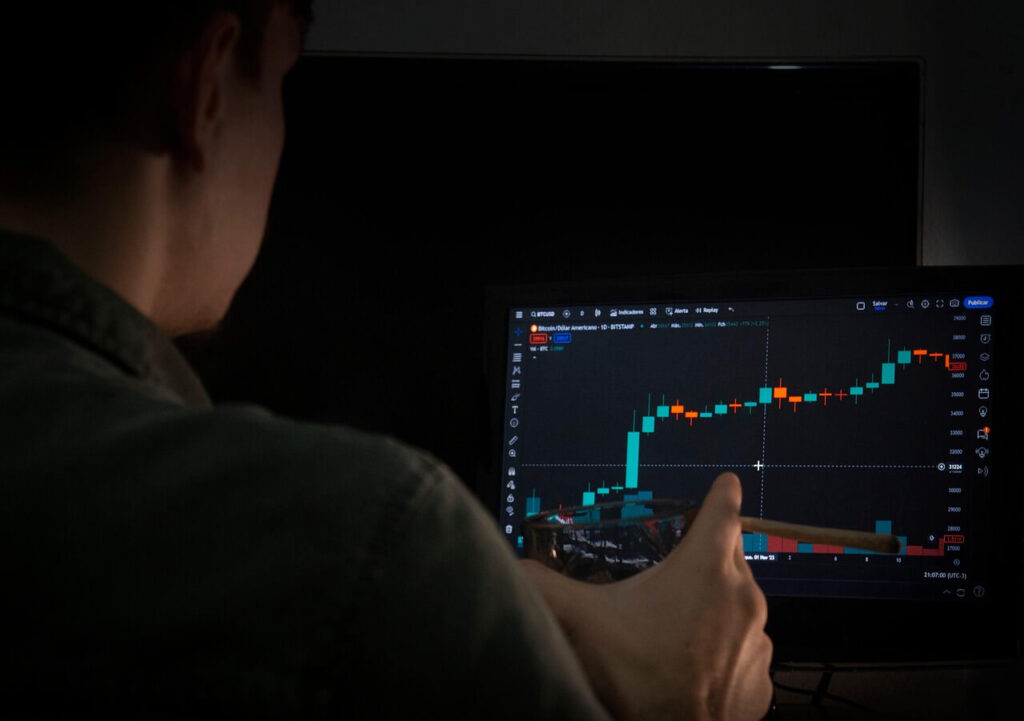
Markets evolve constantly.
Yet many investors return
to their previous habits automatically.
- Old strategies
- Familiar assets
- Past success patterns
But what worked before
may not work under new conditions.
Re-entry is not a return.
It is a redesign.
👉 Related reading: [5 Things to Prepare When Markets Are Quiet — How to Review Your Assets Before the Next Move]
Adaptation is essential for long-term survival.
5️⃣ Focusing on Profit Instead of Risk Tolerance
Most investors focus on potential returns first.
But the correct starting point
is not profit.
It is loss tolerance.
Ask yourself:
- How much volatility can I handle emotionally?
- Can I maintain stability during downturns?
- Will my daily life remain unaffected?
Without this clarity,
investing becomes a source of stress rather than strength.
📌 Final Thoughts — The Goal of Re-Entry Is Sustainability, Not Recovery
The purpose of re-entering the market
is not to recover lost profits.
It is to rebuild sustainable participation.
You can enter slowly.
You can start small.
What matters most is that
your investment structure supports your life,
not destabilizes it.
Sustainable investing is not about speed.
It is about durability.
1 thought on “5 Critical Mistakes to Avoid When Re-Entering the Market — A Guide for Investors Starting Again”
Comments are closed.