

How to Move Beyond a KRW-Centered Portfolio
Most people think of exchange rates as a question of
“Will it go up or down?”
But for those who hold assets over the long term,
exchange rates are less about prediction
and much more about structure.
Especially when your income, debt, and assets are all tied to one currency,
exchange rates can quietly shrink your range of choices over time.
In this article, we’ll clarify
what “reducing exchange rate risk” really means
and why this step should come before adding real estate to your portfolio.
1️⃣ Exchange Rate Risk Is a Structural Issue, Not a Return Issue
When exchange rates come up, people usually react like this:
- “Isn’t the dollar too expensive right now?”
- “The euro is too high for travel.”
- “If I buy now, won’t I lose when rates fall?”
But exchange rate risk isn’t about
making more or less money.
The real problem appears when
all of your assets move in the same direction.
If exchange rates fluctuate
and your income, assets, and liabilities
all respond the same way,
risk increases instantly.
👉 Related reading: [How Exchange Rates Change Asset Value — A Beginner-Friendly Guide to Understanding Currency Impact]
2️⃣ The Biggest Weakness of a KRW-Centered Portfolio
The most common structure in Korea looks like this:
- Income: KRW
- Debt: KRW
- Assets: domestic financial assets + real estate
On the surface, it looks stable.
But there is one major weakness:
When conditions worsen, there are very few ways to respond.
- Exchange rate rises → higher cost of living
- Interest rates rise → heavier debt burden
- Economic slowdown → slower asset rotation
Because there are no alternative directions,
all pressures can hit at once.
Ironically,
even with significant assets,
your choices become narrower.
3️⃣ The Role of Dollar Assets — Not an Investment, but a Buffer
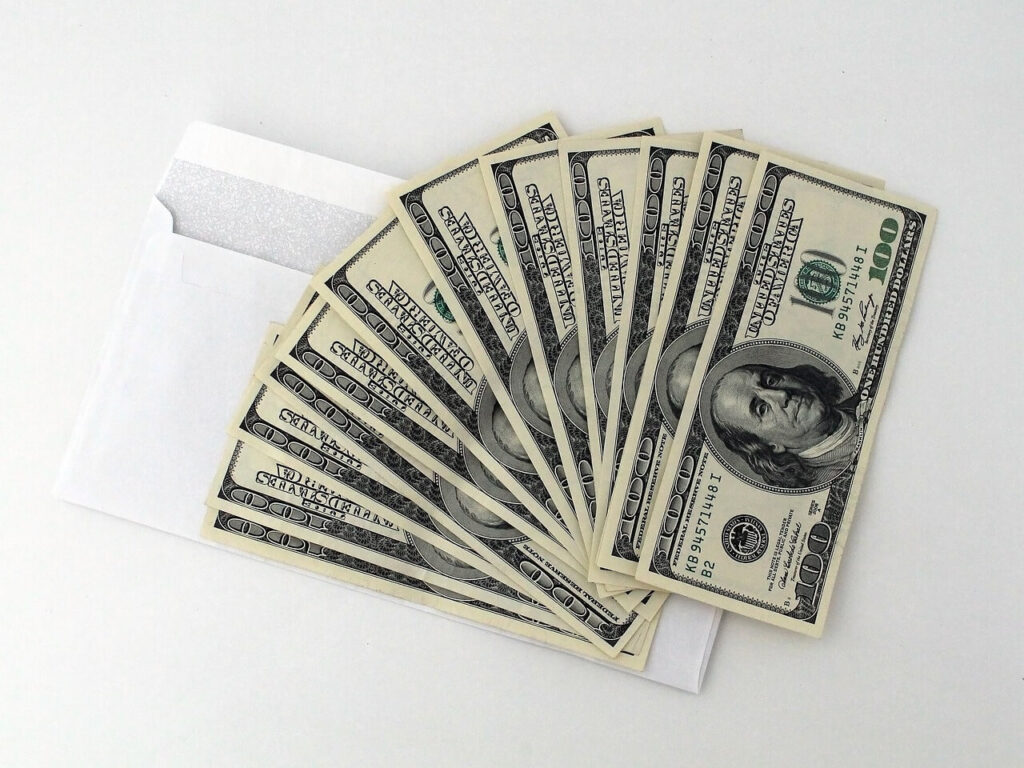
Dollar assets are not tools for
making money from exchange rate movements.
Their core role is simple:
👉 To prevent all assets from moving in the same direction.
- When KRW weakens → defensive function
- Connection to global assets → broader options
- During crises → maintain movable capital
That’s why dollar assets should be evaluated
not by return potential,
but by structural stability.
👉 Related reading: [How Money Flows When Interest Rates Change]
4️⃣ Why Currency Diversification Must Come Before Real Estate
Once real estate enters a portfolio,
the structure becomes far more rigid.
- Liquidity drops
- Adjustment costs rise
- Decisions become hard to reverse
At that point,
even if you recognize exchange rate risk,
it’s often too late to change.
That’s why the order matters:
- Diversify exchange rate exposure
- Secure structural flexibility
- Then add real estate
👉 Related reading: [When Does Real Estate Enter a Portfolio?]
Real estate becomes a stabilizing asset
only after the structure is already prepared.
5️⃣ What If You Already Own Real Estate?
If you already hold real estate,
the direction of new assets becomes critical.
- Diversify the currency of new surplus funds
- Connect part of financial assets to global markets
- Design a structure where not all assets shake at once
Even these steps alone
can significantly strengthen your portfolio’s resilience.
📌 Final Thoughts — Don’t Predict Exchange Rates, Change the Structure
Exchange rates are hard to predict
and often defy expectations.
But structure can be changed.
- Don’t tie everything to one currency
- Avoid one-directional movement
- Preserve optionality
That is the real meaning of reducing exchange rate risk.
Before choosing a property,
the more important task is reviewing your asset structure.
If the structure is solid,
the next step becomes much clearer.
2 thoughts on “Reducing Exchange Rate Risk Through Asset Structure”
Comments are closed.