

Why Not All Loans Are Created Equal
Debt is always a controversial topic.
Some people grow their assets through debt,
while others find their lives weighed down by it.
The difference isn’t whether debt was used —
it’s what kind of structure the debt was part of.
Debt is not inherently good or bad.
The problem begins when it’s used without distinction.
Today, we’ll break down — in simple terms —
the structural difference between wealth-building debt
and consuming debt.
1️⃣ The First Question to Ask Before Taking Any Loan
When considering a loan,
the first thing to check is not the interest rate or the limit.
You should ask this instead:
- Will this loan leave me with an asset over time?
- Or will it disappear once repayment ends?
- After the loan is fully repaid, what remains in my hands?
The answer to these questions
almost completely defines the nature of the debt.
2️⃣ Consuming Debt — When Cash Flow Only Shrinks
Consuming debt refers to loans that do not create assets.
- Loans to cover daily living expenses
- Credit loans or cash advances that pull future spending forward
- Personal loans taken without changing income structure
These loans share common traits:
- No asset remains after repayment
- Monthly cash flow is constantly pressured
- Financial choices gradually shrink
In this case, debt doesn’t build assets —
it simply increases burden.
👉 Related reading: [Reset Your Spending Habits: 5 Steps to Cut Unnecessary Expenses and Regain Financial Control]
3️⃣ Wealth-Building Debt — Leverage That Expands Structure
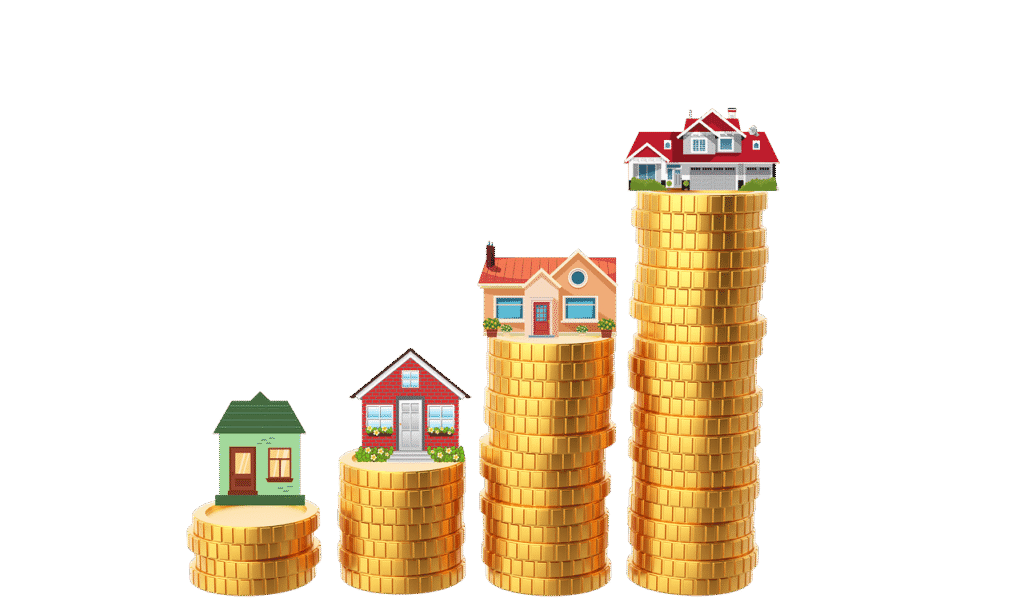
Asset-based debt, on the other hand,
leaves something behind even after repayment ends.
- Real estate loans backed by rental income or long-term ownership
- Business expansion loans with predictable cash flow
- Investment leverage that fits within a long-term structure
What these loans have in common:
- An asset remains after repayment
- Cash flow is calculated in advance
- Choices expand over time instead of shrinking
Here, debt becomes a tool, not a threat.
👉 Related reading: [What Role Does Real Estate Play in Exchange Rate and Interest Rate Environments?]
4️⃣ The Core of Leverage Is Not “Return,” but “Structure”
Many people view leverage only through return calculations.
But what truly matters is how leverage reshapes your structure.
Once leverage is used:
- Freely usable cash decreases
- The decision becomes long-term and fixed
- Sensitivity to interest rates and exchange rates increases
That’s why leverage should not be used when confidence is high,
but when the structure itself is stable.
👉 Related reading: [How Exchange Rates Change Asset Value — A Beginner-Friendly Guide to Understanding Currency Impact]
5️⃣ When Debt Becomes Truly Dangerous
Even the same loan can become risky
when certain conditions overlap:
- Income and debt are both concentrated in one currency
- Assets are heavily concentrated in a single asset class
In this situation, debt doesn’t amplify growth —
it amplifies risk.
👉 Related reading: [How Should a Personal Portfolio Adapt to Exchange Rate and Interest Rate Environments?]
📌 Final Thoughts — Debt Is Ultimately a Choice Constraint
Debt does not automatically build wealth,
nor does it automatically destroy it.
What debt really does
is lock in a set of choices.
- Consuming debt reduces future options
- Asset-based debt can expand options within a solid structure
That’s why, when evaluating debt,
the key question isn’t:
“How low is the interest rate?”
But rather:
- Can this choice increase my long-term asset value?
- Can I truly sustain this obligation over time?
Once you understand debt this way,
your entire perspective on assets begins to widen.
2 thoughts on “The Critical Difference Between Wealth-Building Debt and Consuming Debt”
Comments are closed.